District · Gujarat
Dang
Gujarat's only hill country, forest, waterfalls and living adivasi culture in the Sahyadris.
Dang is unlike anywhere else in Gujarat: a small, almost entirely forested district folded into the northern Sahyadris, where the state's only hill station (Saputara) sits at nearly a thousand metres and the rain falls harder than anywhere else in Gujarat. Teak and bamboo forest covers most of the map, the Purna, Gira and Ambika rivers cut it into green valleys, and the population is overwhelmingly adivasi: Bhil, Kunbi, Warli and other communities whose festivals, crafts and village rhythms are as much the district's identity as its waterfalls.
For travellers, Dang splits naturally into three: the Saputara plateau with its lake, viewpoints and hotels; the Waghai belt at the foot of the ghat with Gira Falls, the botanical garden and Vansda National Park next door; and the interior, Girmal Falls, Don's meadows, Purna sanctuary and the Shabari Dham circuit, where distances stretch, mobile signal fades, and the forest takes over. Monsoon (July–September) is the district at full volume; October–February is green, cool and comfortable; summer stays kinder here than the plains below.
Dang rewards unhurried travel: fuel up at Ahwa or Waghai, carry cash, and let the ghat roads set the pace.
The essentials
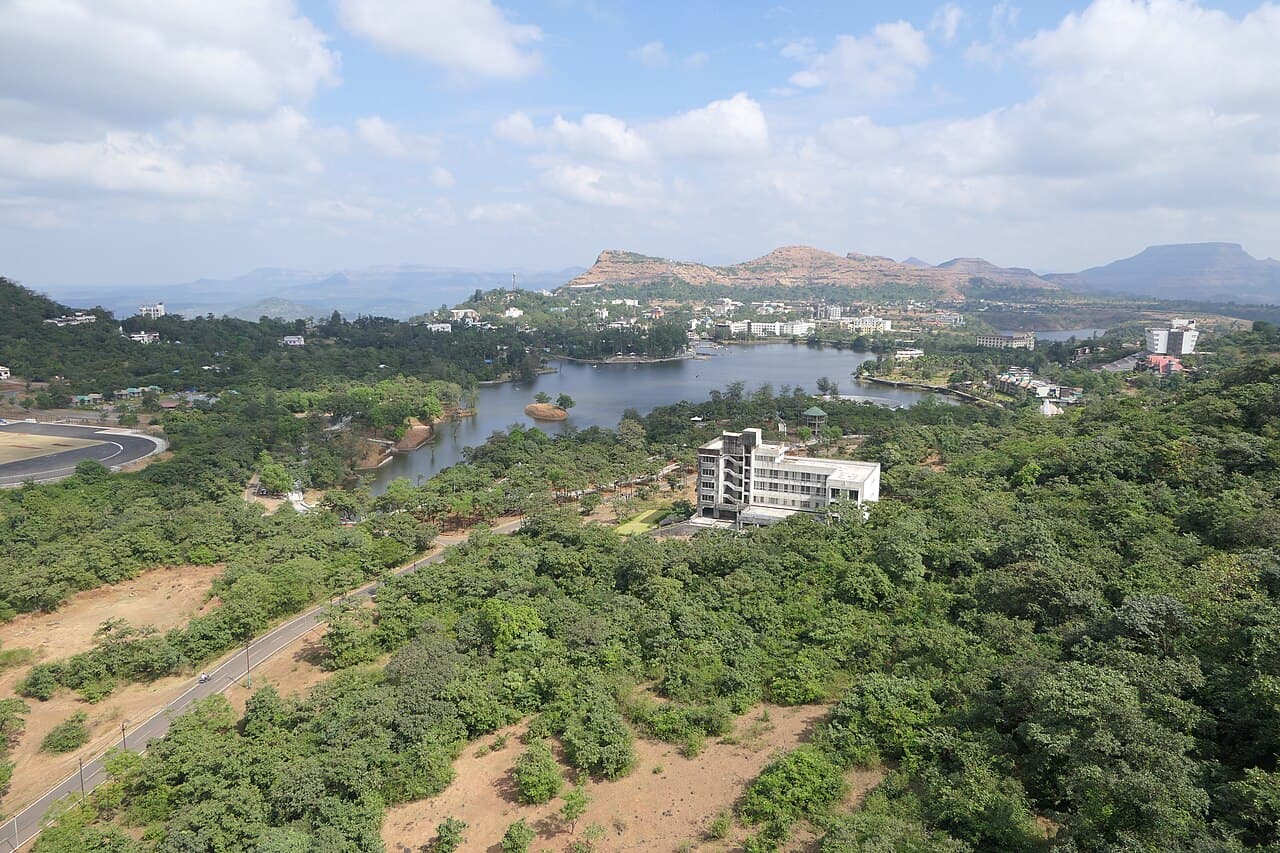
Saputara Lake
The heart of Gujarat's only hill station, ringed by gardens, snack stalls and low wooded hills. Quiet enough to walk at dawn, busiest at dusk.
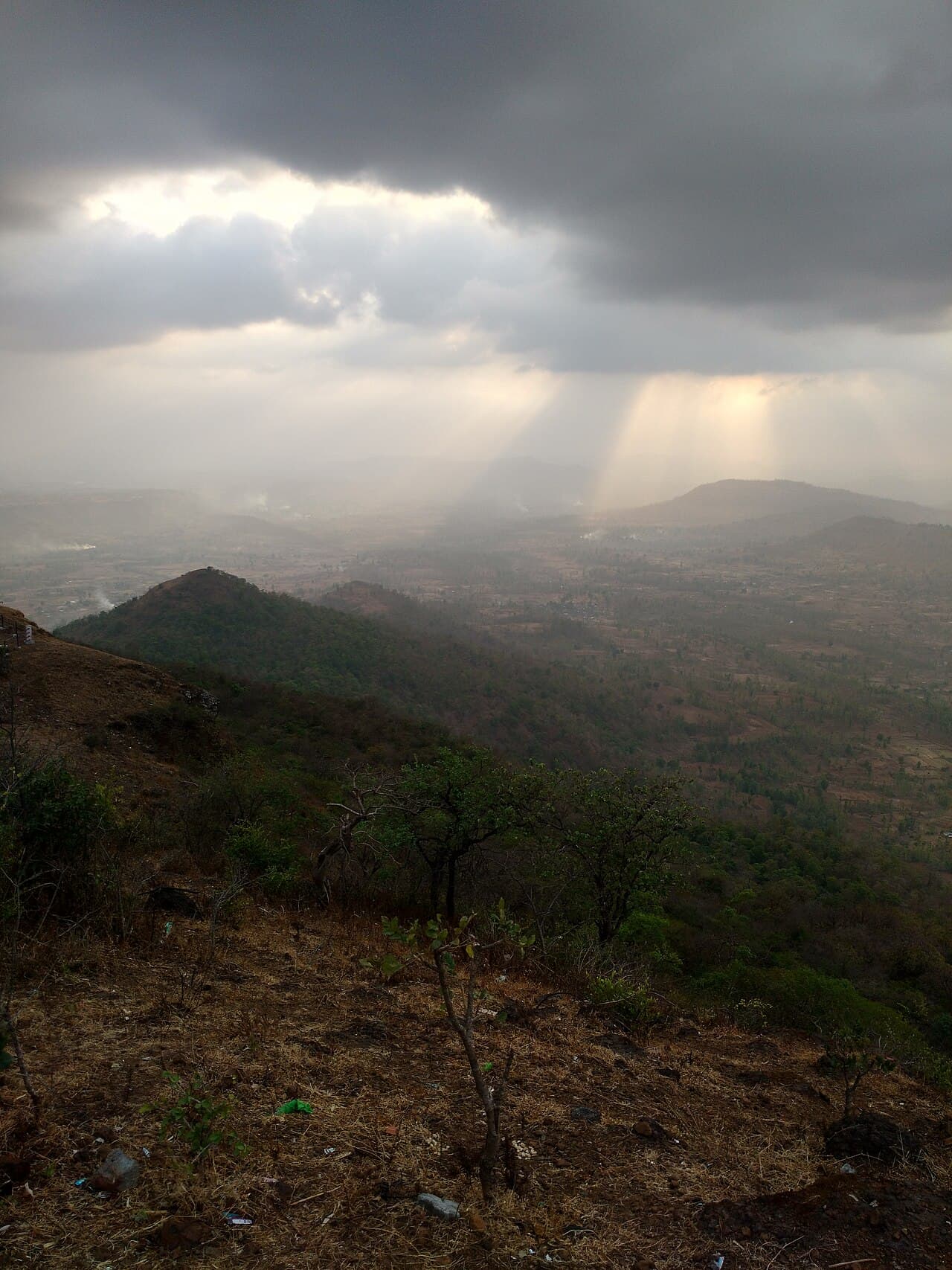
Sunset Point (Gandhi Shikhar)
Saputara's classic evening ritual, a west-facing ridge reached by ropeway or a stepped climb, with layered Sahyadri views at dusk.
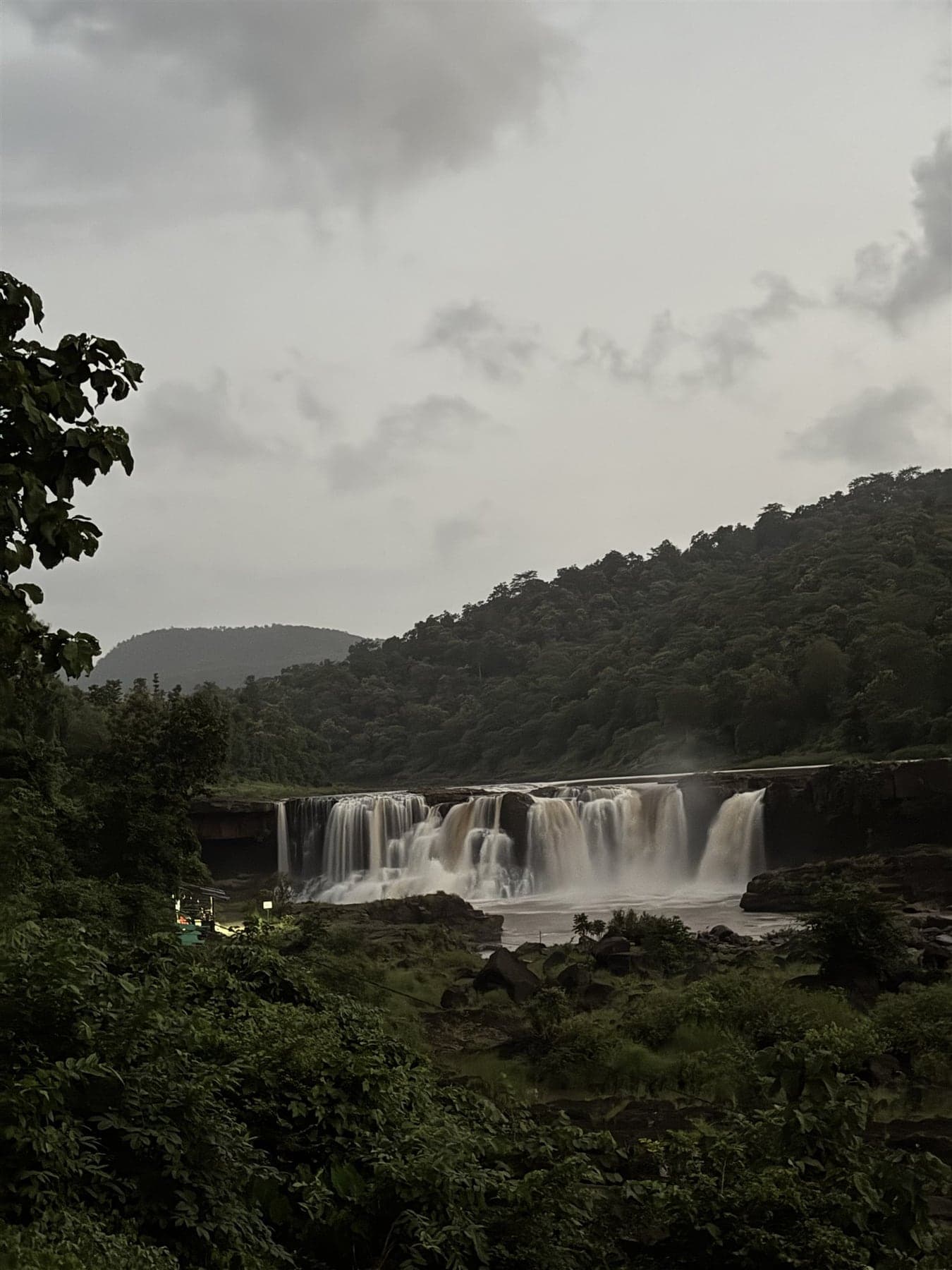
Gira Falls
The waterfall most Gujarat travellers meet first. Barely off the Waghai–Saputara road, and in full monsoon a broad, genuinely loud 23 m curtain.
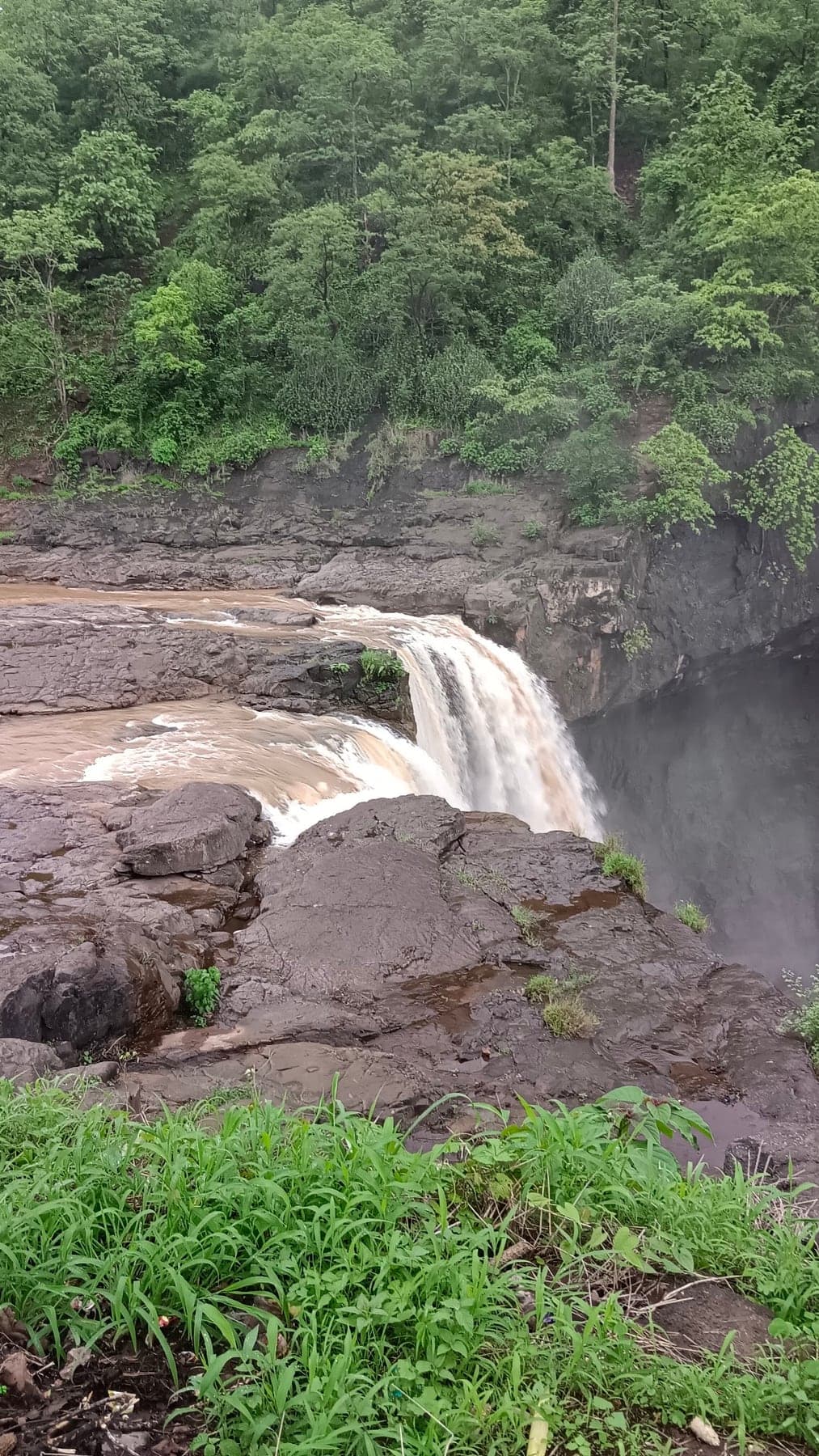
Girmal Falls
The waterfall Gira's crowds never see: Gujarat's tallest, a hard thirty-metre plunge deep enough into interior Dang to stay manageable in August.
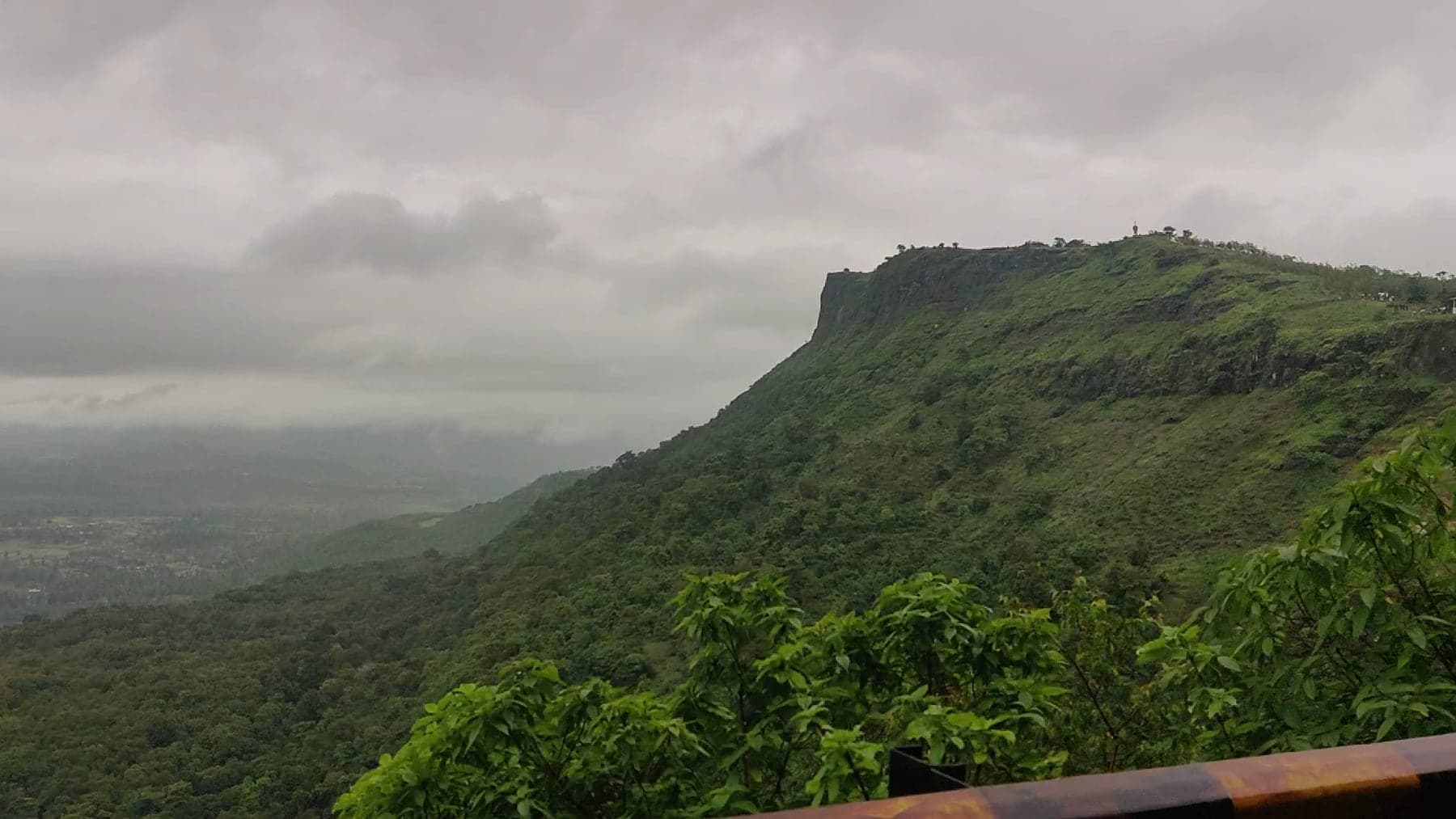
Don Hill Station
One of Gujarat's highest plateaus, with a quiet tribal village on top of it. Grass meadows, ridge walks and valley views, and none of Saputara's crowds.
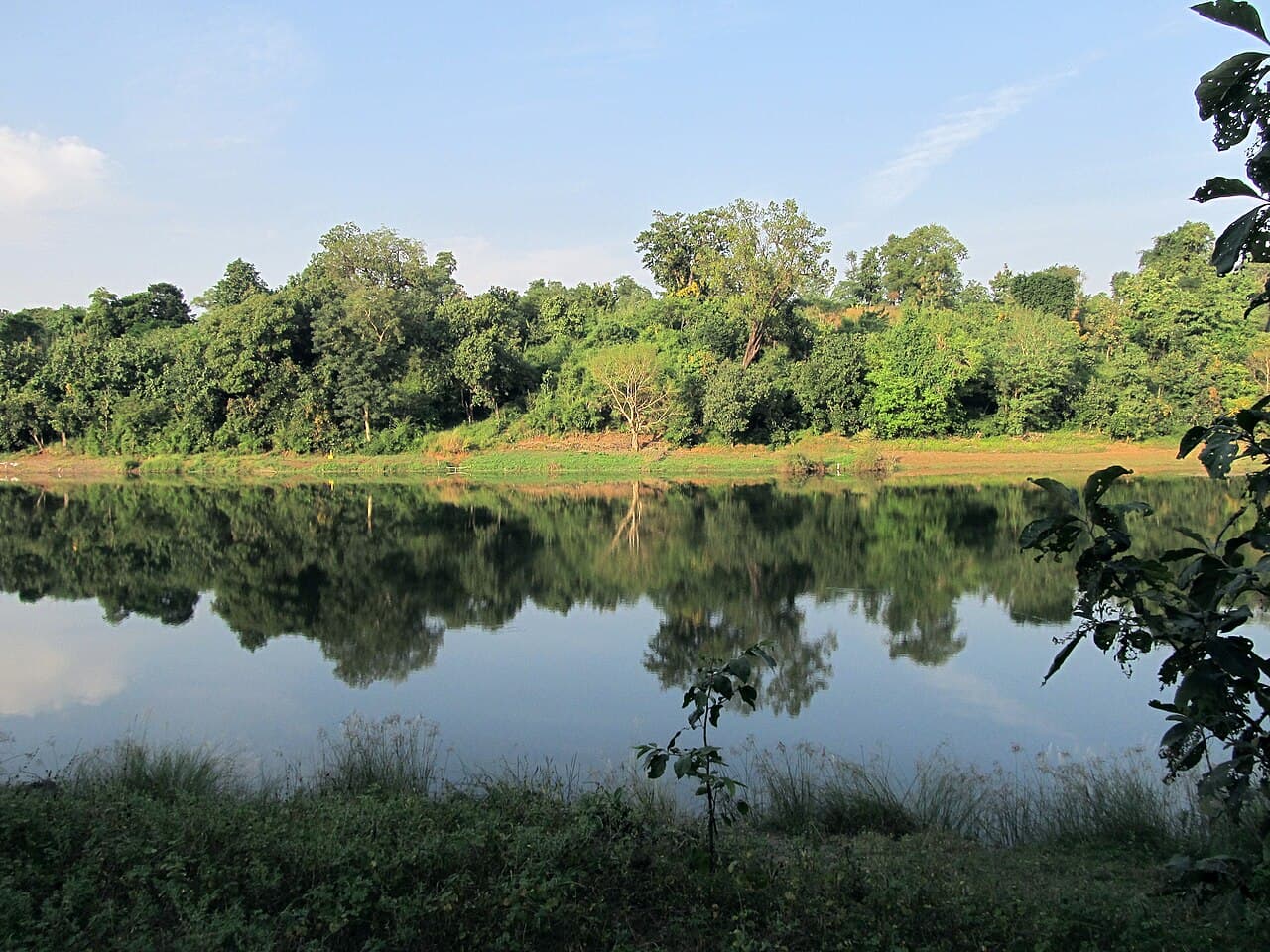
Purna Wildlife Sanctuary
By most measures the wettest, densest forest in Gujarat: teak, huge bamboo brakes and a closed canopy around the Purna river in northern Dang.
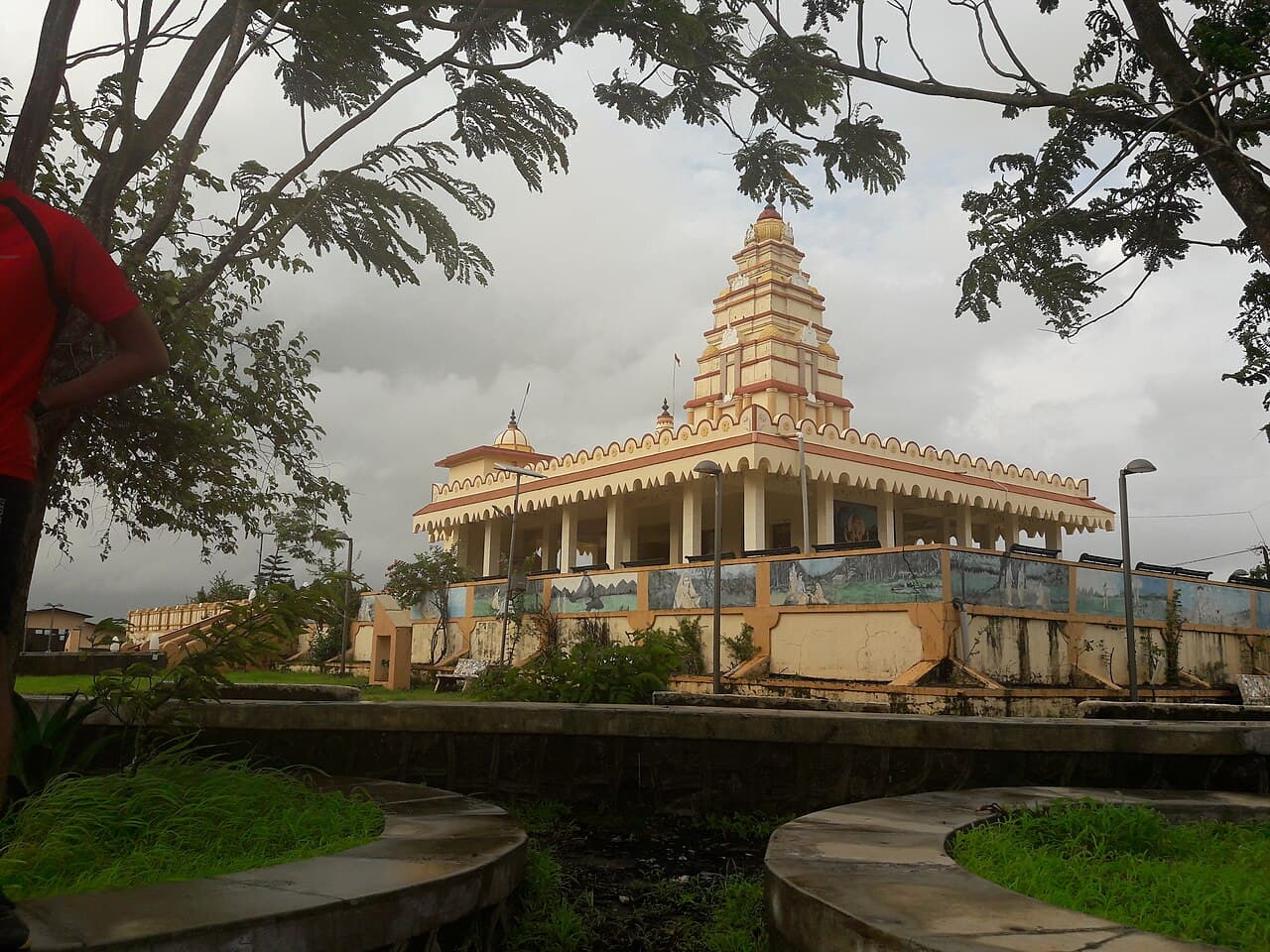
Shabari Dham
A low forested hill near Subir, where Dang's tradition places one of the Ramayana's best-loved episodes. The temple is modern. The association is the point.
Dang by area
Interior Dang
36 places
The forest beyond Ahwa, the largest concentration of waterfalls in Gujarat, and the least visited.
Saputara Hill Station
17 places
Gujarat's only hill station, a lake, a ropeway, a ring of viewpoints, and the state's coolest summer.
The Waghai Belt
13 places
The forest gateway to Dang: a botanical garden, Vansda's teak, and the falls along the Ambika.
Dang on the map
Interior positions can be approximate, each record’s ledger tells you how exact
The year, month by month
Jan
8–26°
none
Feb
10–29°
none
Mar
14–33°
none
Apr
18–35°
none
May
20–35°
low
Jun
21–31°
moderate
Jul
20–26°
heavy
Aug
20–25°
heavy
Sep
19–27°
moderate
Oct
16–30°
low
Nov
12–28°
none
Dec
9–26°
none
July–September for waterfalls and the monsoon spectacle (expect rain-interrupted plans); October–February for comfortable sightseeing, treks and wildlife; May for escaping the plains' heat at Saputara. March–April is the quiet, hazy low season.
Getting there
Road · From Gujarat: Surat–Bilimora–Waghai and up the ghat to Saputara (~160 km). From Maharashtra: Nashik–Vani–Hatgadh–Saputara (~80 km). Ahmedabad is ~400 km. State transport and private buses serve Saputara, Waghai and Ahwa; the ghat sections are winding but well surfaced.
Rail · Bilimora Jn (Mumbai–Ahmedabad line) is the practical railhead; the Bilimora–Waghai narrow-gauge heritage line runs limited services. Nashik Road station works for the Maharashtra approach.
Air · Surat (~160 km) and Nashik (~90 km) are the closest airports; Mumbai (~250 km) for wider connections.
On the ground · Shared jeeps are the true public transport of interior Dang, radiating from Ahwa and Waghai on market rhythms. Autos cover Saputara town; local taxis and sightseeing jeeps handle the standard circuits. App cabs do not operate here, arrange returns before heading into the interior, and expect no fuel pumps beyond Ahwa, Waghai and Saputara.
Know before you go
- →Fuel and cash exist only at Saputara, Ahwa and Waghai, plan the interior accordingly
- →BSNL and Jio survive furthest into the interior; assume dead zones beyond Ahwa
- →Monsoon driving means ghat fog and slow trucks: add buffer to every leg
- →Book forest campsites (Mahal, Kilad) via the official eco-tourism portal well ahead of winter weekends
- →Respect village norms when photographing, ask first, especially at festivals
Emergency: 112 (national emergency); Saputara, Ahwa, Waghai and Subir police stations · Ambulance 108 (GVK EMRI, Gujarat) · Civil Hospital, Ahwa (district hospital)
When Dang celebrates
Shabridham Mela
The annual mela at Shabari Dham gathers pilgrims to the hilltop where Dang's tradition places Shabari's meeting with Ram. It descends from the landmark Shabari Kumbh of 2006, which put the site on India's pilgrimage map, and now runs each January with darshan queues, kirtan, community meals and stalls filling the Subir hillside. Regional in draw but deeply local in flavour, it pairs the Ramayana narrative with Dangi village festivity.
Dang Darbar
Dang Darbar is the district's cultural centrepiece and a living constitutional curiosity: the descendants of Dang's five Bhil and Kunbi kings, who leased their forests to the British rather than surrender them, still receive ceremonial political pensions at this darbar, a practice continued by the Indian state. Around that ceremony grows a huge fair at Ahwa: Dangi dance troupes with drums and pipes, bazaars, wedding-season finery, and villagers from every fold of the district. For visitors it is the single best window into Dang's living culture, crowded, loud, unstaged and warm.
Saputara Monsoon Festival
Gujarat Tourism's flagship hill-station event: a weeks-long programme of cultural performances, Dangi dance, food stalls, adventure activities and parades staged around Saputara's lakefront while the plateau does its best monsoon impression, mist over the lake, waterfalls at full volume nearby, and everything green. Weekends carry the main programming. It is the busiest the town gets outside Diwali; the flip side is that monsoon Saputara with a festival layered on is genuinely at its most atmospheric.
Saputara Christmas–New Year Peak
Not a festival but a phenomenon worth planning around: Saputara's hotel belt sells out for the Christmas–New Year fortnight as Surat, Mumbai and Ahmedabad arrive for cold air and bonfire evenings. Boating queues triple, Sunset Point fills an hour early, and room rates double. Come prepared, or come the second week of January, when the town exhales and winter Saputara is at its gentle best.
Eat like a local
🌿 Chikoo of the Bilimora–Waghai Belt
Main flushes winter–spring
The lowland approach to Dang runs through one of India's classic chikoo (sapota) belts around Bilimora–Gandevi, and the fruit floods stalls at Waghai and along the ghat road in season. Sweet, malty and cheap by the kilo, it is the drive-snack of the Saputara run, and chikoo shakes appear on half the menus below the ghat. The heritage narrow-gauge line to Waghai even carries the nickname of a 'chikoo route' among rail fans.
Try at: Fruit stalls · Juice stalls (chikoo shake)
🌿 Dang Forest Honey
Post-monsoon and winter harvests are freshest
Multifloral honey from the Dang forests, darker and more resinous than plains honey, its character shifting with what the forest bloomed that season. Collected by local cooperatives and apiculture initiatives, it is the district's most portable genuine souvenir. Buy sealed and labelled: the Honey Bee Centre in Saputara (when operating), co-op outlets and reputable shops beat roadside bottles of uncertain provenance.
Try at: Honey Bee Centre · Co-operative and khadi outlets
🍗 Dangi-Style Desi Chicken
The celebratory dish of Dangi households: free-ranging country chicken cooked hard with red chilli, garlic and local masala, usually alongside nagli rotla or rice. It is rustic, fiery and lean, nothing like a city butter-chicken, and mostly lives in homes, small hotels in Ahwa and Waghai, and pre-arranged homestay dinners rather than tourist-facing menus. Vegetarian-dominant Saputara serves little of it; the interior does.
Try at: Small hotels and dhabas · Homestay dinners (arrange ahead)
🌿 Kand (Purple Yam) Preparations
Winter
Purple yam, kand, is winter's tuber across these hills: roasted in embers, cut into spiced fry-ups, or folded into festive dishes. The forest belt grows several wild and cultivated tubers, and winter markets in Ahwa, Waghai and Rajpipla stack them alongside the season's produce. Simple stalls do kand chips and roasted slices with chilli-salt; homes do it best.
Try at: Winter market stalls · Village meals
🌿 Mahua Flower Delicacies
Flowers gathered March–May
The mahua tree anchors the adivasi year: its fleshy spring flowers are gathered at dawn, sun-dried, and eaten as a naturally sweet snack or worked into laddoos, halwa-style preparations and jaggery-mahua mixes. The dried flowers taste like caramel-raisin; the sweets built on them are increasingly sold by community enterprises and at fairs like Dang Darbar and Devmogra. April–May is gathering season; dried mahua keeps year-round.
Try at: Fair stalls · Community/SHG outlets
🌿 Nagli & Maize Papad
Sun-dried papads of nagli and maize are Dang's cottage snack industry, roasted over coals at stalls and fairs, or carried home in stacks from women's-group outlets. The nagli version is earthy and dark; the maize one sweeter and lighter. They keep for months, cost little, and roast up in seconds on a gas flame, the sensible edible souvenir alongside forest honey.
Try at: SHG/women's-group stalls · Fair stalls
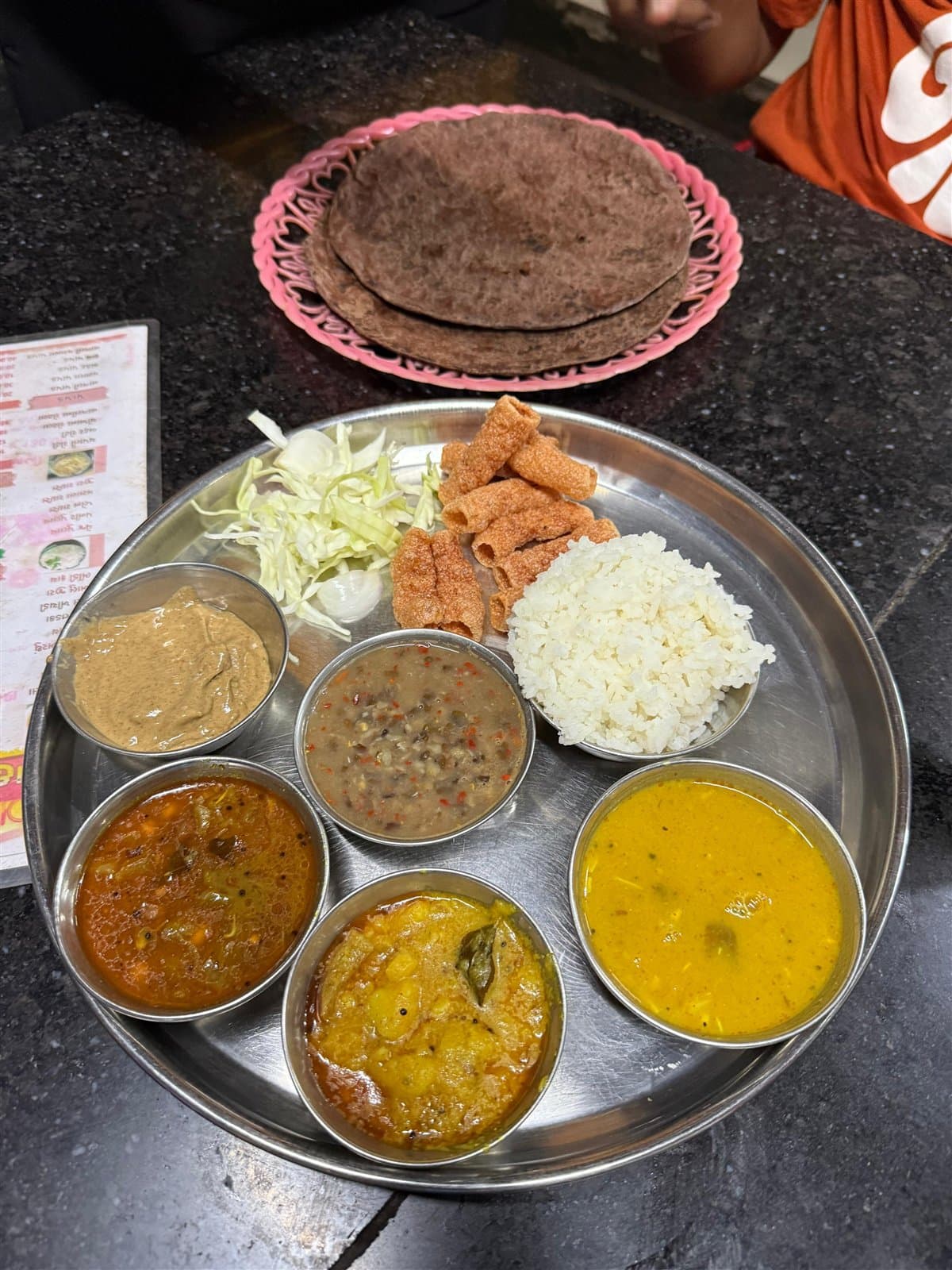 📷 Rushi Chudasama
🌿 Nagli Rotla (Finger-Millet Flatbread)
The staple of the hills: dense, dark flatbread of nagli (finger millet/ragi), patted thick and roasted on clay or iron, eaten with garlic-chilli chutney, curd or whatever the season's shaak is. Nagli grows on Dang's rain-fed slopes and carries the region's nutrition on its back, iron-rich, filling, and at its best hot off a village chulha with white butter. Homestay and campsite meals serve it as a matter of course; ask for it at small eateries and you'll be understood immediately.
Try at: Nahari Restaurant · Forest campsite messes (Mahal, Kilad, Sagai)
🌿 Saputara Winter Strawberries
Late December – February
The plateau's cool winters host a small strawberry season, roadside stalls around Saputara and the ghat sell punnets, and hotel kitchens run strawberry-and-cream specials through the peak weeks. It is a modest cousin of Mahabaleshwar's famous crop, but a fresh January punnet eaten at a viewpoint needs no comparison. Expect the stalls from late December into February.
Try at: Roadside stalls · Hotel dessert menus
🌿 Vaas nu Shaak (Bamboo-Shoot Curry)
Monsoon
Monsoon's signature dish in the bamboo belt: tender young bamboo shoots, sliced and cooked into a spiced curry, earthy, faintly tangy, unlike anything in mainstream Gujarati thalis. The shoots emerge with the rains, so July to September is the honest season; village kitchens and some Ahwa-side eateries make it, and campsite cooks will if asked when shoots are around. Pickled bamboo shoot extends the season in local homes.
Try at: Village kitchens and homestays in season · Campsite messes (ask ahead)