dandak

The calendar that matters

Events & seasons.

Fairs measured in lakhs of pilgrims, a monsoon festival on a hill-station lake, and the peak-season windows worth planning around, or around which to plan your escape.

fairJanRegional drawdang

Shabridham Mela

Annually in January; the tradition descends from the first Shabari Kumbh held in 2006

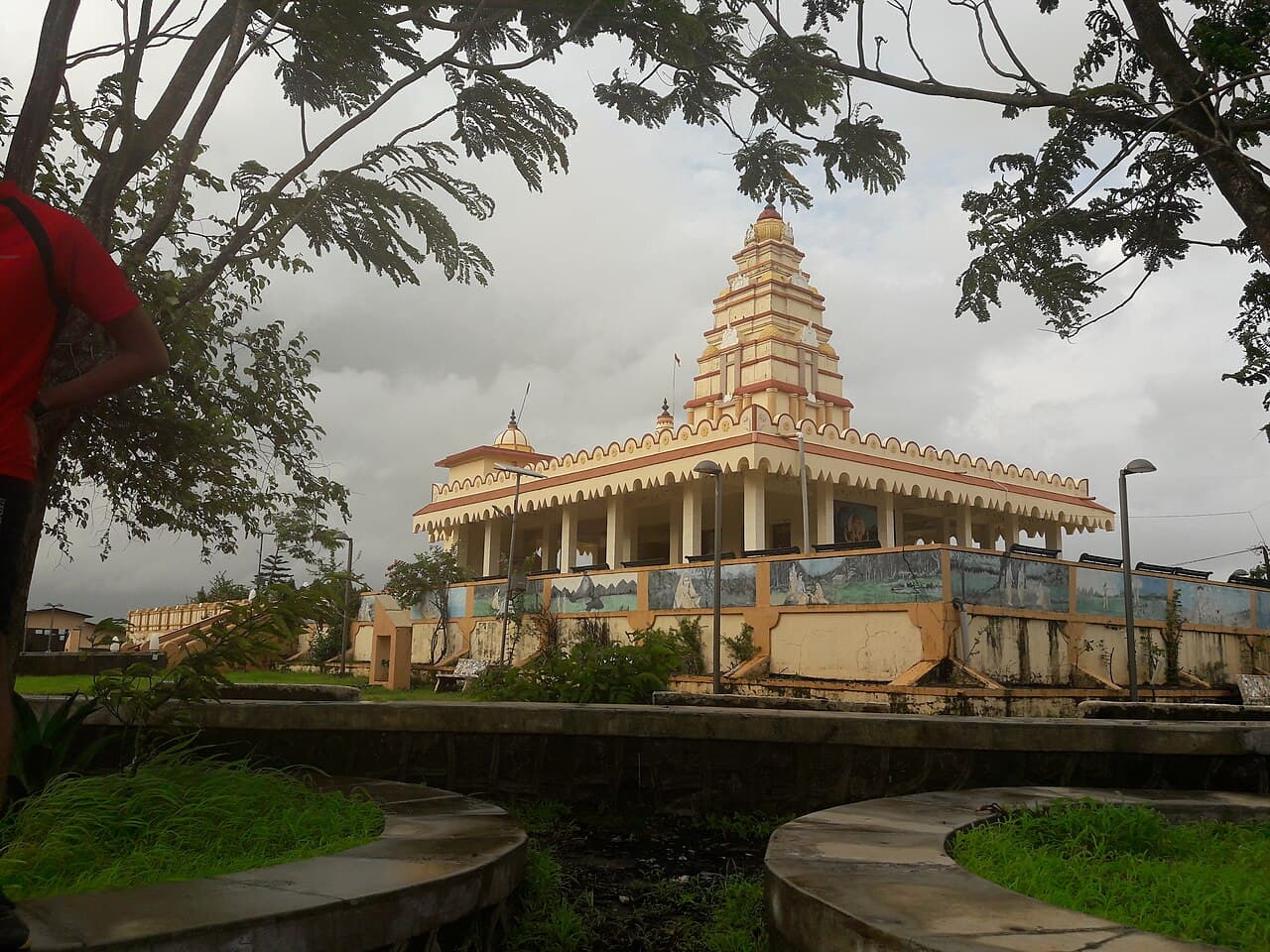
The annual mela at Shabari Dham gathers pilgrims to the hilltop where Dang's tradition places Shabari's meeting with Ram. It descends from the landmark Shabari Kumbh of 2006, which put the site on India's pilgrimage map, and now runs each January with darshan queues, kirtan, community meals and stalls filling the Subir hillside. Regional in draw but deeply local in flavour, it pairs the Ramayana narrative with Dangi village festivity.

Crowd reality · The Subir approach roads and parking stretch thin on peak mela days; ordinary weeks stay easy.

📍 Shabari Dham💡 Combine with Pampa Sarovar, the mela extends there naturally
fairFeb – MarNational drawnarmada

Devmogra Mataji Mela

Annually for five days, from Maha Vad Amas to the day before Mahashivratri (lunar calendar; lands mid–late February or early March)

One of western India's largest tribal gatherings: around five lakh Vasava, Bhil and Tadvi devotees from Gujarat, Maharashtra, Madhya Pradesh and Rajasthan converge on Yaha Mogi's shrine at Devmogra for five days ending the eve of Mahashivratri. Families arrive with offerings of grain and bamboo baskets; vows are fulfilled, harvests dedicated, marriages blessed. The climax is the Gadh Yatra procession, when the deity travels to a natural spring for a ritual bath amid music and dance. It is an extraordinary spectacle of living adivasi devotion, and a serious logistics event, with basic facilities stretched across enormous crowds.

Crowd reality · Roads from Rajpipla and Sagbara run one-way managed traffic; expect kilometres of walking, long queues and full guesthouses across the belt.

📍 Devmogra Mata Temple💡 Arrive early morning; park where directed and expect to walk
fairMarRegional drawdang

Dang Darbar

Annually in the days before Holi, on dates set by the lunar calendar

Dang Darbar is the district's cultural centrepiece and a living constitutional curiosity: the descendants of Dang's five Bhil and Kunbi kings, who leased their forests to the British rather than surrender them, still receive ceremonial political pensions at this darbar, a practice continued by the Indian state. Around that ceremony grows a huge fair at Ahwa: Dangi dance troupes with drums and pipes, bazaars, wedding-season finery, and villagers from every fold of the district. For visitors it is the single best window into Dang's living culture, crowded, loud, unstaged and warm.

Crowd reality · Ahwa fills completely; Saputara hotels feel the overflow. Roads into Ahwa crawl on the main days.

📍 Ahwa town💡 Confirm dates early, they track Holi and shift each year
festivalJul – AugRegional drawdang

Saputara Monsoon Festival

Annually through the monsoon weeks, typically late July into August; organised by Gujarat Tourism

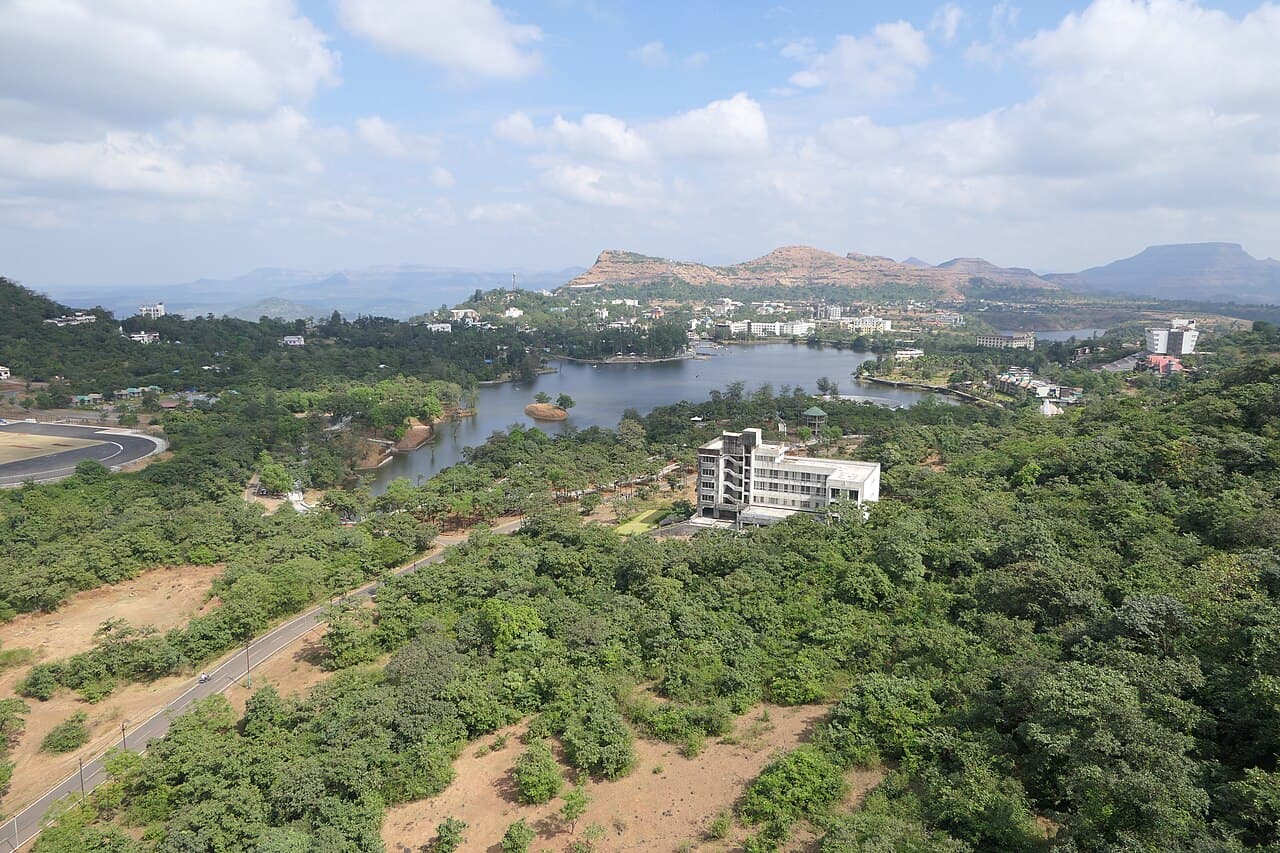
Gujarat Tourism's flagship hill-station event: a weeks-long programme of cultural performances, Dangi dance, food stalls, adventure activities and parades staged around Saputara's lakefront while the plateau does its best monsoon impression, mist over the lake, waterfalls at full volume nearby, and everything green. Weekends carry the main programming. It is the busiest the town gets outside Diwali; the flip side is that monsoon Saputara with a festival layered on is genuinely at its most atmospheric.

Crowd reality · Festival weekends sell out Saputara's hotels; book weeks ahead and expect slow ghat traffic on Sunday evenings.

📍 Saputara Lake💡 Weekends for the programme, weekdays for the atmosphere without crowds
season windowJul – AugRegional drawnarmada

Shravan Month on the Narmada

The Hindu month of Shravan each year, roughly late July to late August, with Mondays as peak days

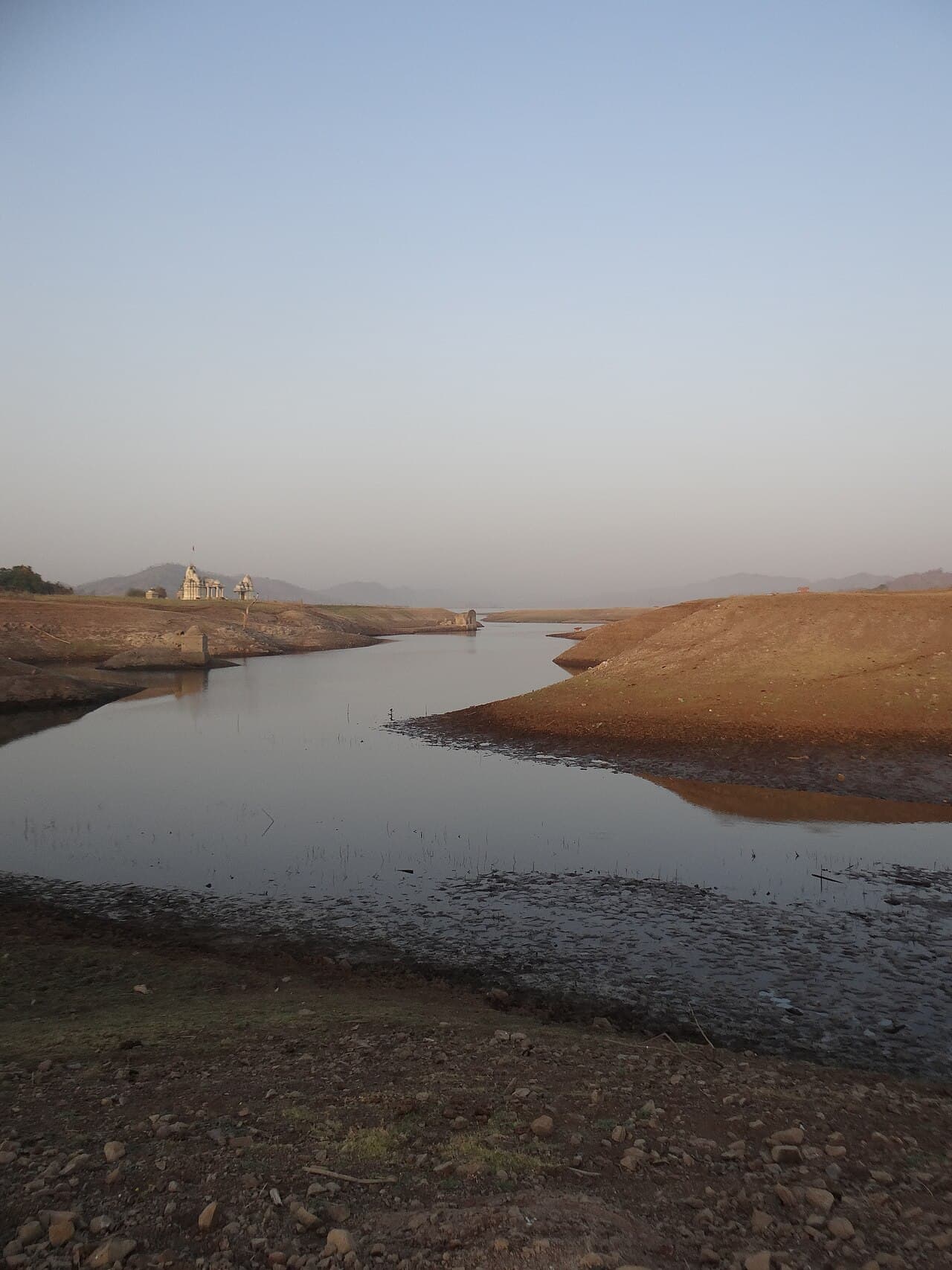
Shravan turns the district's riverbank temples up several notches: Shoolpaneshwar Mahadev at Gora runs long darshan queues every Monday, Garudeshwar's rhythm intensifies, and Narmada parikrama pilgrims thread through with their bundles. For devotees it is the month to come; for everyone else it is worth knowing that the quiet river temples of winter are, in these weeks, humming devotional fairs, with the monsoon river running high and brown behind them.

Crowd reality · Shravan Mondays bring queues and parking pressure at Gora and Garudeshwar; weekdays stay manageable.

📍 Shoolpaneshwar Mahadev Temple (Gora)💡 Non-devotee visitors: pick any day except Monday
season windowOct – Nov – Dec – Jan – FebNational drawnarmada

Statue of Unity Peak Season

Every year from Diwali week through New Year, continuing strong to late February; summer school holidays add a May mini-peak

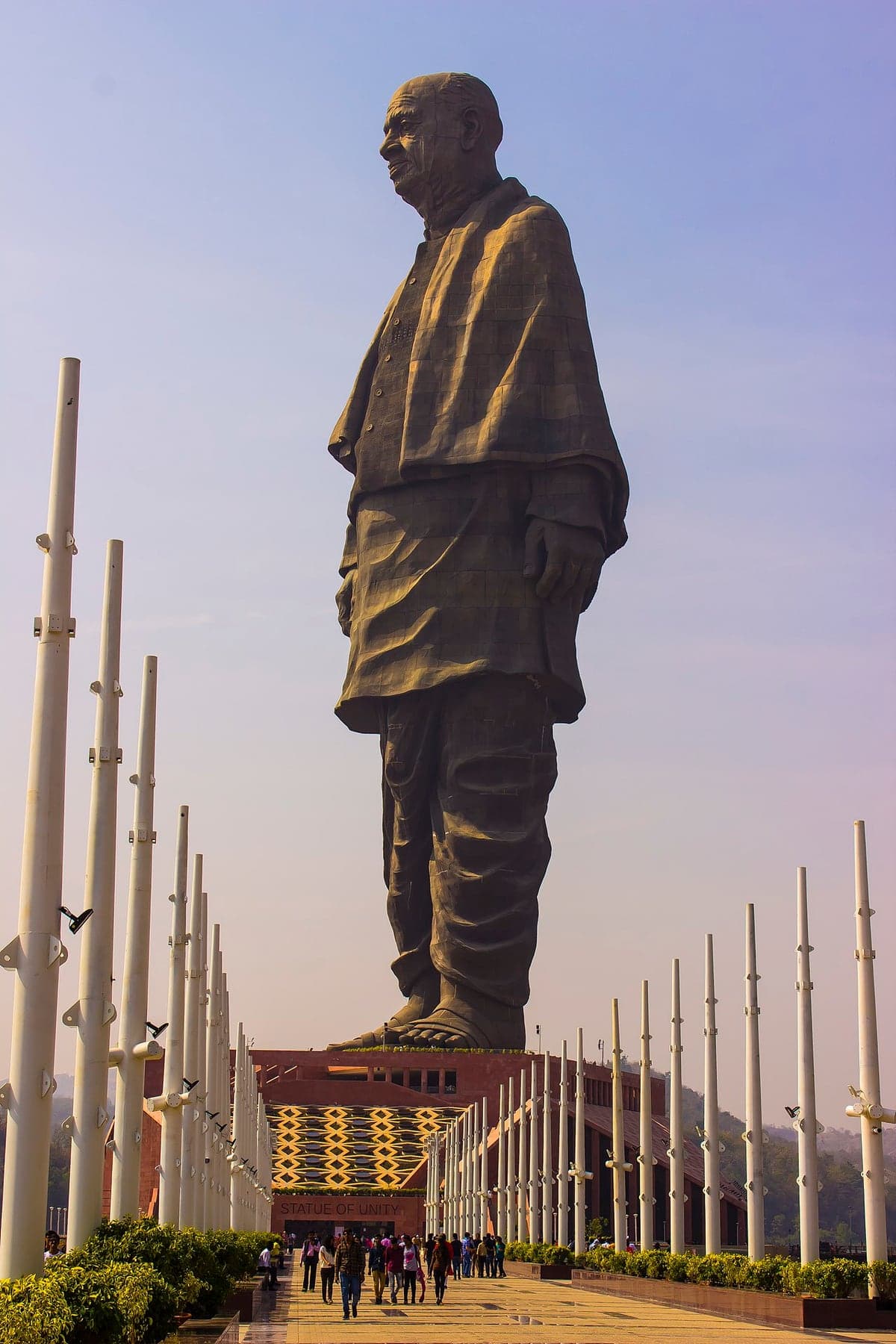
The campus's high season, worth treating as an event because it changes every practical detail: viewing-gallery slots sell out days ahead, Diwali and Christmas–New Year weeks sell out hotels across Ekta Nagar and Rajpipla, e-bus queues stretch, and the laser show plaza fills an hour early. The same weeks are also the best weather of the year, cool mornings, clear light on the statue, comfortable walking. Plan like it is a festival: book everything early, take the first slots of the day, and use Mondays (campus closed) for Rajpipla, Poicha or the Zarwani side.

Crowd reality · Diwali and New Year weeks are the extreme: full hotels, sold-out slots, slow campus circulation. Weekdays in late January–February give peak-season weather at half the density.

📍 Statue of Unity💡 Book viewing-gallery + safari slots and rooms as one early transaction
festivalOctNational drawnarmada

Unity Day at the Statue of Unity

Every 31 October, Sardar Patel's birth anniversary, marked nationally as Rashtriya Ekta Diwas

The statue's own festival: 31 October, Sardar Patel's birth anniversary, observed nationally as Unity Day with its centrepiece at Ekta Nagar. The morning brings the Ekta Diwas parade and ceremonial events, frequently with the Prime Minister in attendance, followed by cultural programmes through the day and the campus at its most polished. It is simultaneously the most spectacular and the most restricted day to visit: security tightens, sections close for VIP movements, and normal tourist flow bends around the ceremony.

Crowd reality · Expect security cordons, section closures and heavy traffic; hotels fill across Ekta Nagar and Rajpipla. Normal sightseeing is better the day after.

📍 Statue of Unity💡 Attend for the parade and atmosphere, not for a normal statue visit
season windowDec – JanRegional drawdang

Saputara Christmas–New Year Peak

Every year, roughly 20 December to 2 January, peaking on the New Year weekend

Not a festival but a phenomenon worth planning around: Saputara's hotel belt sells out for the Christmas–New Year fortnight as Surat, Mumbai and Ahmedabad arrive for cold air and bonfire evenings. Boating queues triple, Sunset Point fills an hour early, and room rates double. Come prepared, or come the second week of January, when the town exhales and winter Saputara is at its gentle best.

Crowd reality · Hotels sell out weeks ahead; New Year's Eve traffic on the ghat roads runs late into the night.

📍 Saputara town💡 Book stays by early December or shift to Ahwa/Waghai