District · Gujarat
Narmada
The Statue of Unity's home district, a mega-monument at the edge of deep tribal forest country.
Narmada district runs on a striking contrast. On its river-facing edge stands India's biggest tourism project of the last decade: the 182-metre Statue of Unity at Ekta Nagar (formerly Kevadia), ringed by the Sardar Sarovar dam, ticketed gardens, a zoological park, cruise jetties and a purpose-built railway station. Forty minutes south and east, the district turns into something entirely different, the 600 km² Shoolpaneshwar sanctuary's hill forests, monsoon waterfalls at Zarwani and Ninai, the princely leftovers of Rajpipla, and a tribal heartland whose great festival at Devmogra draws half a million Vasava and Bhil devotees each spring.
Most visitors come for the statue and leave having seen only the campus. The district rewards those who stay a second day: rafting below the dam, the Datta pilgrimage at Garudeshwar, the Swaminarayan complex at Poicha, palace-and-bazaar Rajpipla, and, in season, the eastern belt's falls and forest campsites. Ekta Nagar's infrastructure is the best in the region; beyond Rajpipla, expect rural roads, thin signal and the forest department as your host.
October to February is the comfortable season and the SoU peak; monsoon brings the dam releases, full waterfalls and green hills at the price of heat-free but humid days.
The essentials
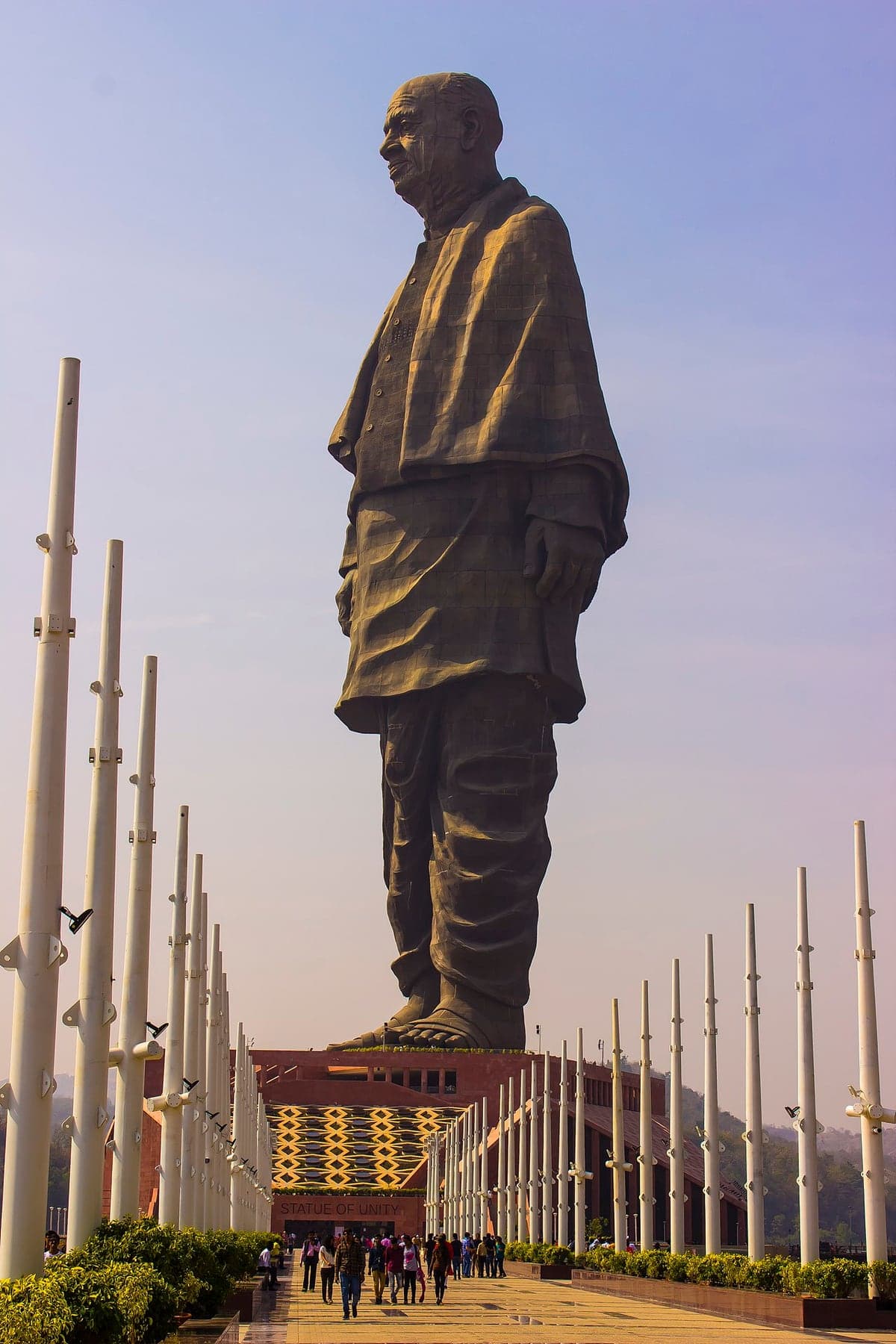
Statue of Unity
World's tallest statue: 182 metres of Sardar Patel facing the Sardar Sarovar dam, with a 153 m viewing gallery, a museum and a full day of campus around it.
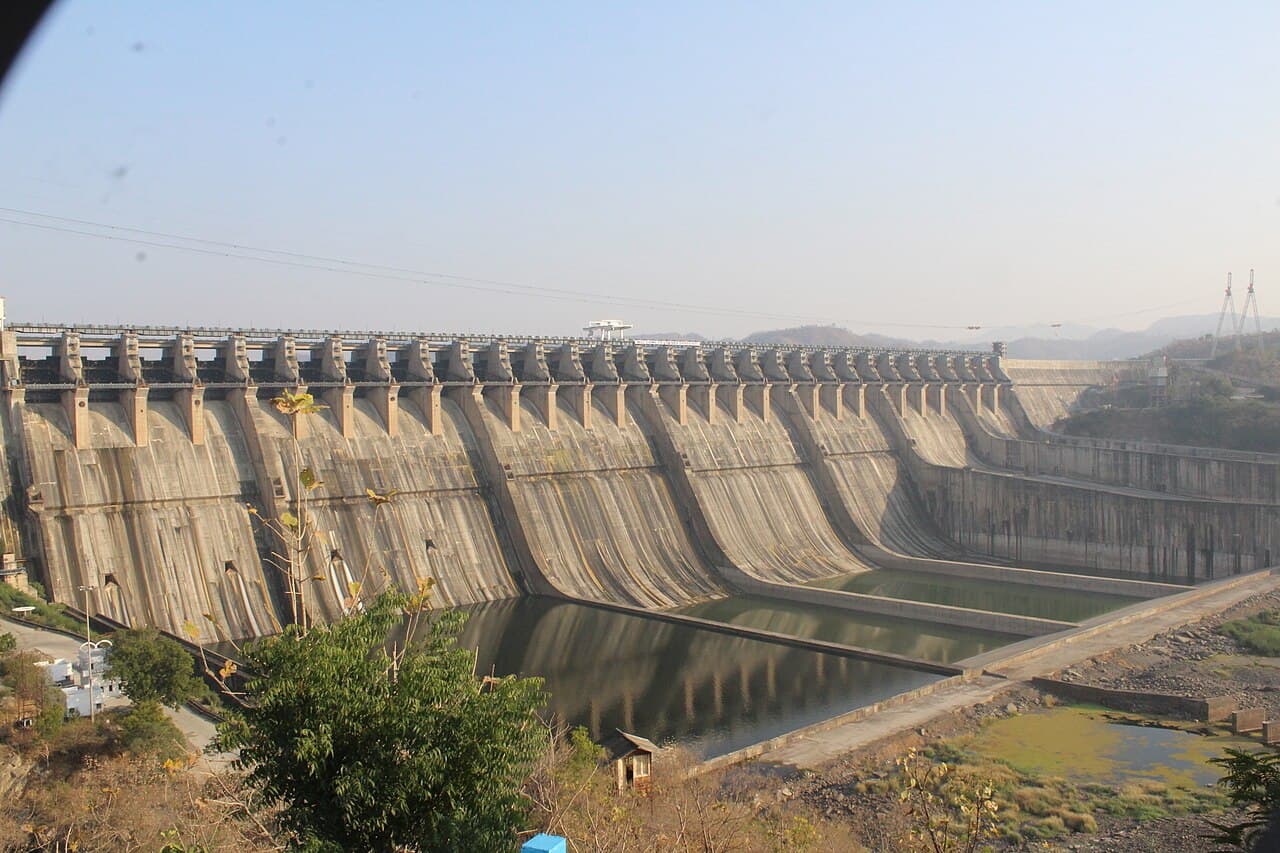
Sardar Sarovar Dam Viewpoints
The reason Ekta Nagar exists: the long concrete wall across the Narmada, the reservoir stretching upstream, and the gates open in a good monsoon.
Jungle Safari (Sardar Patel Zoological Park)
Native and exotic animals across terraced hillside levels near the Statue of Unity, plus walk-in aviaries kids love.
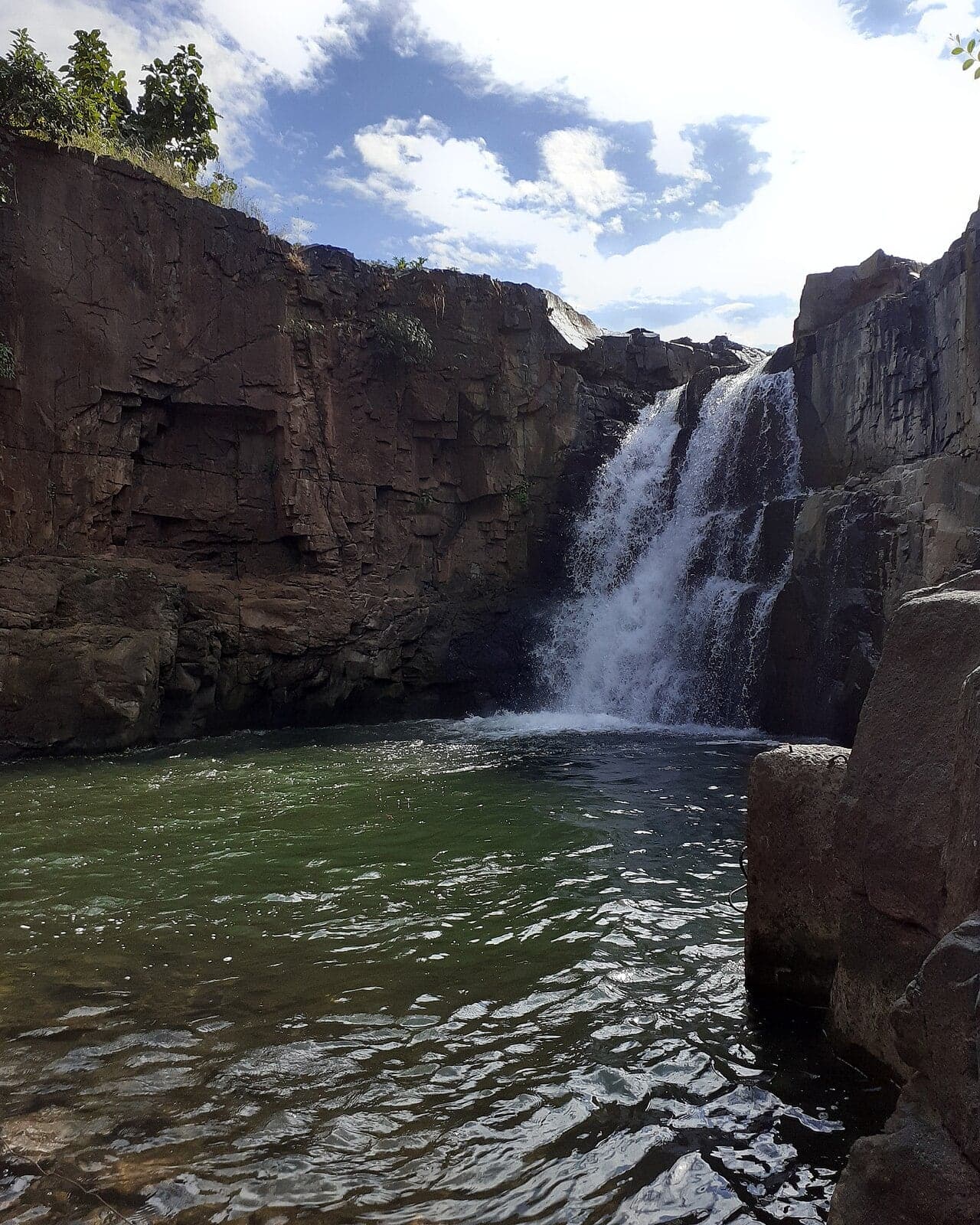
Zarwani Waterfall
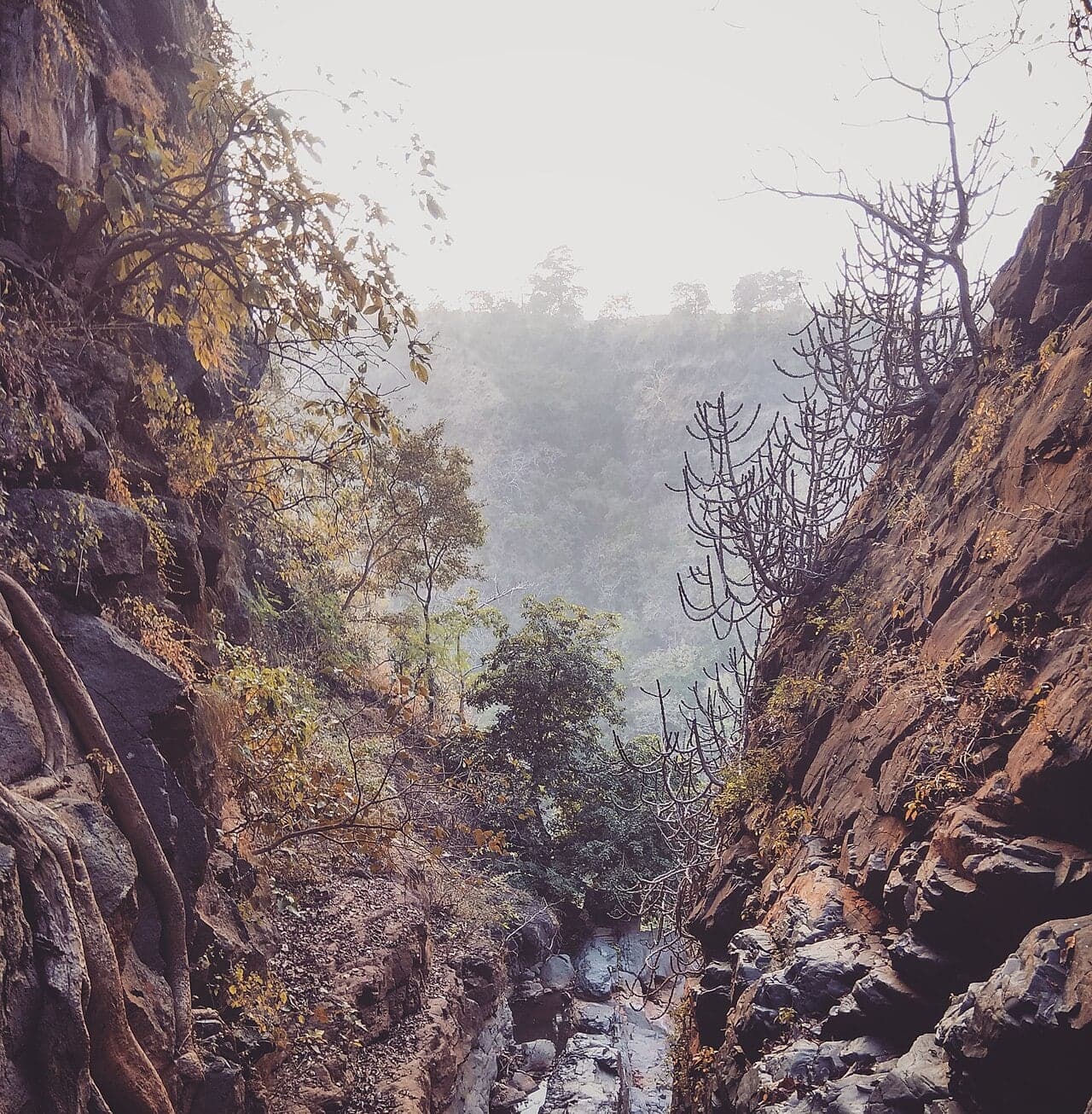
Rocky gorge, shallow pools and a proper jungle feel inside Shoolpaneshwar sanctuary, 30 minutes from Ekta Nagar.
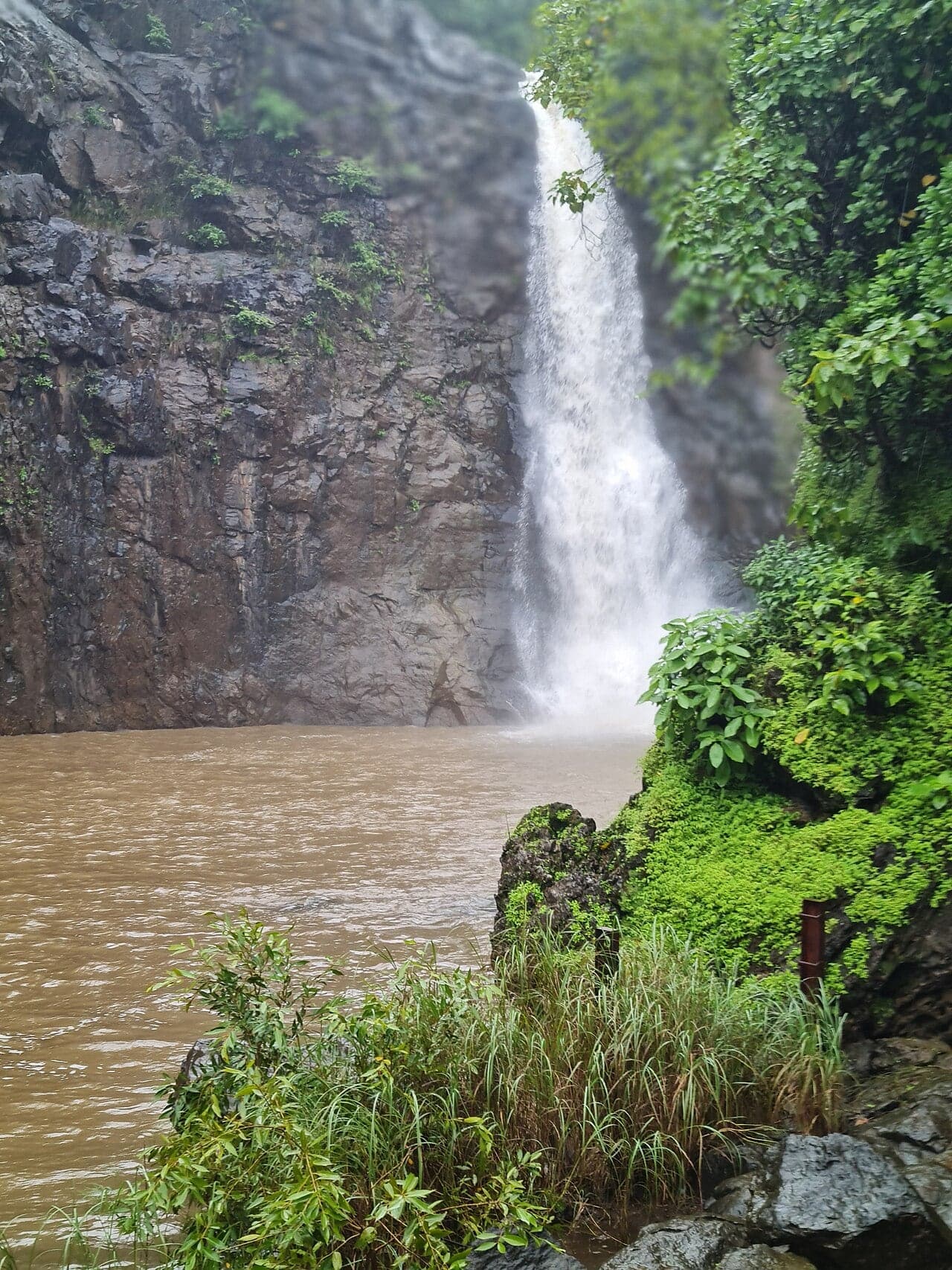
Ninai Falls
Compact and forceful, in forested country ~35 km from Dediapada. Eastern Narmada's favourite rainy-season outing.
Rajvant Palace (Vijay Palace)
Rajpipla's royal showpiece: an early-twentieth-century palace in European classical style, domes and colonnaded verandahs above the Karjan low country.
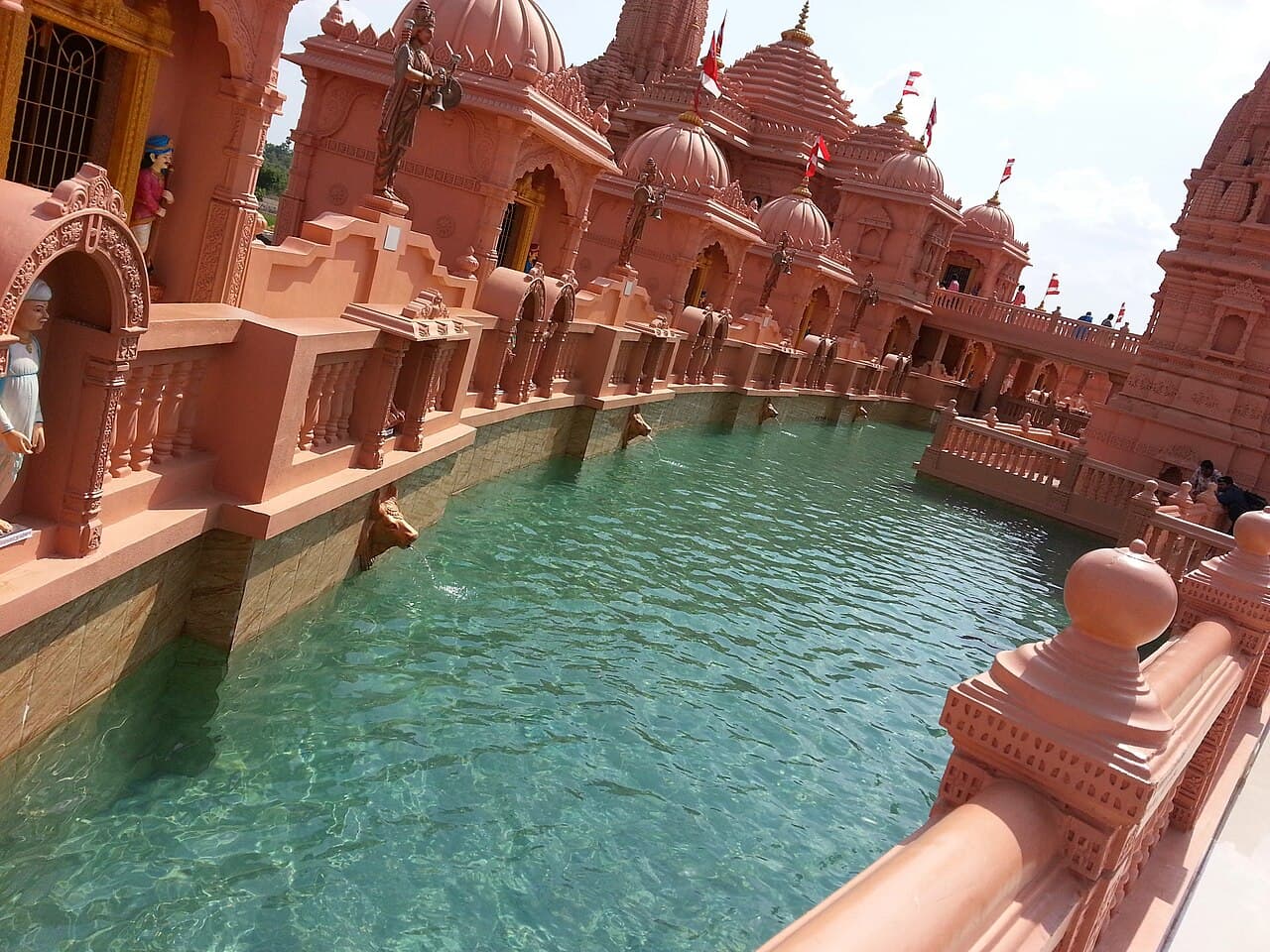
Nilkanthdham Swaminarayan Temple, Poicha
Ornate shrines, ghats, themed displays and evening lighting across a vast Swaminarayan temple-and-exhibition complex on the Narmada bank at Poicha.
Devmogra Mata Temple
The spiritual centre of gravity for the Vasava, Bhil and Tadvi communities: Yaha Mogi's shrine near Sagbara, whose annual fair draws lakhs.
Narmada by area
The Statue of Unity Complex
21 places
Ekta Nagar and the precinct around the world's tallest statue, gardens, a safari, a dam and a river gorge.
Rajpipla & the Narmada Bank
14 places
The old princely town, the Karjan hills behind it, and the temple riverbank at Poicha.
Dediapada & the Shoolpaneshwar Belt
5 places
Gujarat's largest wildlife sanctuary, its remotest falls, and the campsites inside the forest.
Narmada on the map
Interior positions can be approximate, each record’s ledger tells you how exact
The year, month by month
Jan
13–30°
none
Feb
15–33°
none
Mar
19–37°
none
Apr
23–40°
none
May
26–41°
low
Jun
26–37°
moderate
Jul
25–32°
heavy
Aug
24–31°
heavy
Sep
24–33°
moderate
Oct
21–35°
low
Nov
17–33°
none
Dec
14–30°
none
October–February for the Statue of Unity and general touring (book ahead for Diwali and Christmas–New Year weeks); July–September for waterfalls, dam releases and the green Shoolpaneshwar belt; the Devmogra fair lands in Feb–Mar. April–June is hot, campus mornings and evenings only.
Getting there
Road · Ekta Nagar is ~90 km from Vadodara and ~85 km from Bharuch on excellent highways; Rajpipla sits 25 km west of the campus. Dediapada and the eastern belt connect via the Rajpipla–Sagbara corridor. Buses run from Vadodara, Bharuch and Surat; taxis are plentiful on the SoU routes.
Rail · Ekta Nagar station has direct services from Ahmedabad, Mumbai and other cities timed for SoU tourism; Ankleshwar and Bharuch junctions cover the west of the district.
Air · Vadodara (~90 km) is the practical airport; Surat and Ahmedabad (~200 km) also work.
On the ground · Within the SoU campus, ticketed e-buses and shuttles do the moving; autos and taxis cover Ekta Nagar town and Rajpipla. Beyond Rajpipla and Dediapada, shared jeeps and own transport are the reality, book return taxis for the eastern belt, and expect no app cabs anywhere in the district.
Know before you go
- →The entire SoU campus closes on Mondays, build itineraries around it
- →Book viewing-gallery and safari slots online days ahead for weekends and holiday weeks
- →Fuel up at Rajpipla or Ekta Nagar before the eastern belt; Dediapada is the last dependable stop
- →Forest campsites (Zarwani, Sagai, Khalwani) book via the official eco-tourism portal, not OTAs
- →Gujarat is a dry state, no alcohol is sold anywhere in the district
Emergency: 112 (national emergency); Ekta Nagar (Kevadia), Rajpipla, Garudeshwar, Dediapada and Sagbara police stations · Ambulance 108 (GVK EMRI, Gujarat) · Civil Hospital, Rajpipla (district hospital)
When Narmada celebrates
Devmogra Mataji Mela
One of western India's largest tribal gatherings: around five lakh Vasava, Bhil and Tadvi devotees from Gujarat, Maharashtra, Madhya Pradesh and Rajasthan converge on Yaha Mogi's shrine at Devmogra for five days ending the eve of Mahashivratri. Families arrive with offerings of grain and bamboo baskets; vows are fulfilled, harvests dedicated, marriages blessed. The climax is the Gadh Yatra procession, when the deity travels to a natural spring for a ritual bath amid music and dance. It is an extraordinary spectacle of living adivasi devotion, and a serious logistics event, with basic facilities stretched across enormous crowds.
Shravan Month on the Narmada
Shravan turns the district's riverbank temples up several notches: Shoolpaneshwar Mahadev at Gora runs long darshan queues every Monday, Garudeshwar's rhythm intensifies, and Narmada parikrama pilgrims thread through with their bundles. For devotees it is the month to come; for everyone else it is worth knowing that the quiet river temples of winter are, in these weeks, humming devotional fairs, with the monsoon river running high and brown behind them.
Statue of Unity Peak Season
The campus's high season, worth treating as an event because it changes every practical detail: viewing-gallery slots sell out days ahead, Diwali and Christmas–New Year weeks sell out hotels across Ekta Nagar and Rajpipla, e-bus queues stretch, and the laser show plaza fills an hour early. The same weeks are also the best weather of the year, cool mornings, clear light on the statue, comfortable walking. Plan like it is a festival: book everything early, take the first slots of the day, and use Mondays (campus closed) for Rajpipla, Poicha or the Zarwani side.
Unity Day at the Statue of Unity
The statue's own festival: 31 October, Sardar Patel's birth anniversary, observed nationally as Unity Day with its centrepiece at Ekta Nagar. The morning brings the Ekta Diwas parade and ceremonial events, frequently with the Prime Minister in attendance, followed by cultural programmes through the day and the campus at its most polished. It is simultaneously the most spectacular and the most restricted day to visit: security tightens, sections close for VIP movements, and normal tourist flow bends around the ceremony.
Eat like a local
🌿 Kand (Purple Yam) Preparations
Winter
Purple yam, kand, is winter's tuber across these hills: roasted in embers, cut into spiced fry-ups, or folded into festive dishes. The forest belt grows several wild and cultivated tubers, and winter markets in Ahwa, Waghai and Rajpipla stack them alongside the season's produce. Simple stalls do kand chips and roasted slices with chilli-salt; homes do it best.
Try at: Winter market stalls · Village meals
🌿 Mahua Flower Delicacies
Flowers gathered March–May
The mahua tree anchors the adivasi year: its fleshy spring flowers are gathered at dawn, sun-dried, and eaten as a naturally sweet snack or worked into laddoos, halwa-style preparations and jaggery-mahua mixes. The dried flowers taste like caramel-raisin; the sweets built on them are increasingly sold by community enterprises and at fairs like Dang Darbar and Devmogra. April–May is gathering season; dried mahua keeps year-round.
Try at: Fair stalls · Community/SHG outlets
 📷 Rushi Chudasama
🌿 Nagli Rotla (Finger-Millet Flatbread)
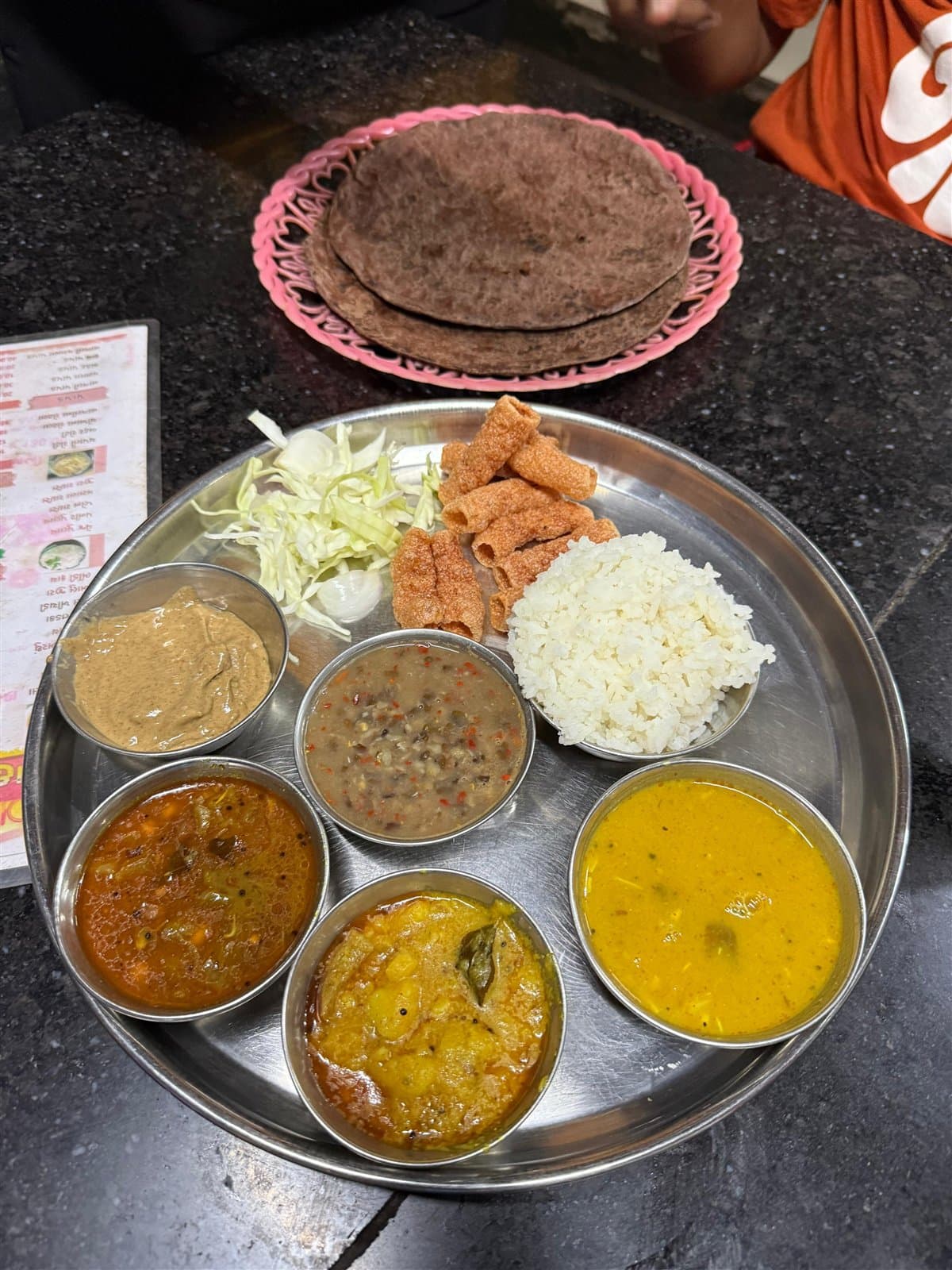
The staple of the hills: dense, dark flatbread of nagli (finger millet/ragi), patted thick and roasted on clay or iron, eaten with garlic-chilli chutney, curd or whatever the season's shaak is. Nagli grows on Dang's rain-fed slopes and carries the region's nutrition on its back, iron-rich, filling, and at its best hot off a village chulha with white butter. Homestay and campsite meals serve it as a matter of course; ask for it at small eateries and you'll be understood immediately.
Try at: Nahari Restaurant · Forest campsite messes (Mahal, Kilad, Sagai)
🌿 Narmada-Belt Khichdi–Kadhi Thali
The honest workhorse meal of the Narmada belt: soft khichdi with a tempered Gujarati kadhi, rotla or thepla, a seasonal shaak, papad and chhaas. Pilgrim kitchens perfected it, the bhojanalayas at Poicha and the temple-town eateries of Garudeshwar serve versions by the thousand, and every Rajpipla thali house runs its own. After a day of campus walking or forest roads, it is exactly what the body votes for.
Try at: Nilkanthdham bhojanalaya · Thali houses